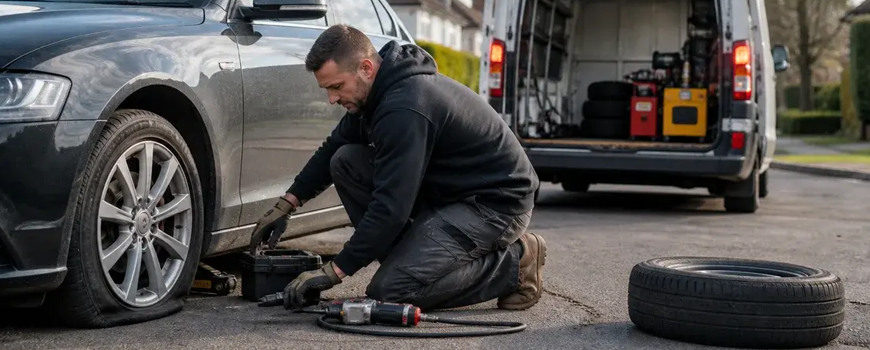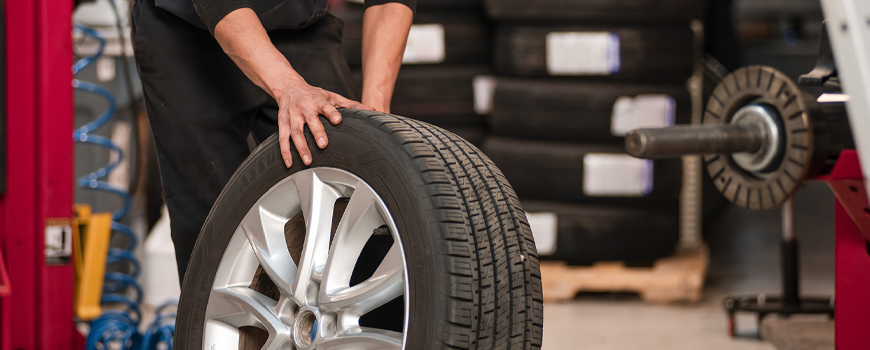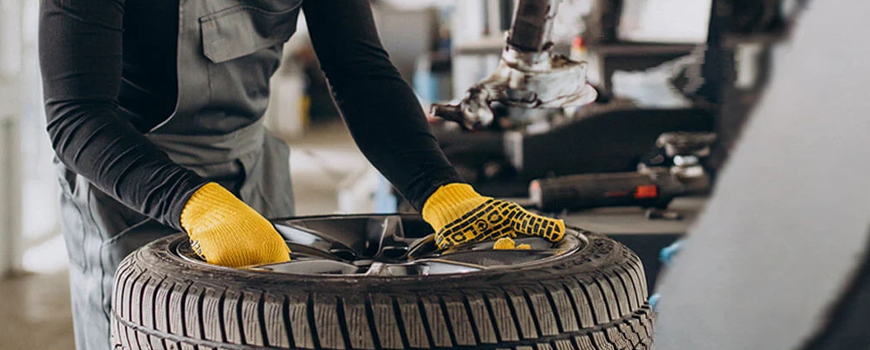
Modern cars use a highly smart system to monitor tire air levels constantly while driving. This helpful tool acts as a vigilant eye to alert you before dangerous problems happen. Our trained experts at Tire-Shop.ae know exactly how to keep this vital safety feature working perfectly.
Extreme weather easily causes hidden damage to your wheel electronics over time. We have spent many years mastering automotive care to keep your daily trips completely safe. Our team fixes complex sensor problems so you never have to worry about sudden road emergencies.
Amazing Benefits of a Working TPMS
- Proper air levels reduce your daily fuel consumption and save energy.
- Good pressure helps your car steer smoothly and handle sharp turns better.
- It stops your tires from wearing out too fast on very hot roads.
- The system actively prevents sudden and scary tire blowouts during travel.
The warning light on your dashboard means your tires need immediate attention right away. Sometimes, the warning stays on because the electronics inside the wheel are broken. In these cases, you need a highly trusted mechanic to solve the tricky issue fast.
When to Seek Expert Solutions
- Your dashboard light flashes or stays on even after you add air.
- The internal batteries usually die naturally after several years of driving.
- A bad bump on the road can easily break the delicate wheel electronics.
- When this happens, a quick Tire Air Sensor Repairfixes the warning light.
Trying to fix these delicate electronics without proper training is very risky. Our mechanics use the best diagnostic tools to find the exact root of the problem easily. If a part is too damaged, we perform a complete Tire Pressure Sensor Replacement safely.
Our Premium Care Process
- We inspect your wheels carefully to find dead batteries or broken parts.
- We offer the most reliable Tire Air Sensor Repairto restore correct readings.
- If the part is too old, we do a fast Tire Pressure Sensor Replacement for you.
- We recalibrate the new parts so your car computer reads everything perfectly.
Your driving safety is our biggest priority every single day. We promise to deliver honest advice and use premium parts for every vehicle we service. You can completely trust our authoritative guidance for all your automotive needs.
Taking care of your car should always be easy and totally stress-free for you. We use modern tools to make sure every job is completely perfect and accurate. Please visit our main website at https://tire-shop.ae/ to explore our trusted services today. Let our friendly experts protect your vehicle so you can drive home happily.